.png)

Share this post
Tax return review software: what it actually needs to do
Review is the bottleneck nobody staffed for
Every firm has a version of the same org chart problem: plenty of people who can prepare a return, not enough people trusted to sign off on one. Reviewers are senior, expensive, and scarce, and the review queue is where finished prep goes to wait. When firms look for tax return review software, that queue is what they are really trying to fix.
The category is newer than prep automation and the products in it vary wildly. Some are checklists with a login. Some re-run the math your tax software already ran. A few actually review the return. Here is how to tell which one you are looking at.
Diagnostics are not review
Your tax software already ships with diagnostics, and it is worth being clear about what they check: internal consistency. Do the schedules foot, do the credits carry, is anything left blank that the form requires. Valuable, and completely blind to the most common class of error.
A reviewer's actual job is different. They check the return against the source documents. Did the W-2 in the file make it onto the return correctly, is the 1099-B basis right, did the K-1 income land on the right schedule. A preparer can enter $52,000 instead of $25,000 and every diagnostic passes, because the return is internally consistent either way. Only a comparison against the document catches it.
So the first sorting question for any review product: does it read the client's source documents, or does it only look at the return? If it never opens the binder, it is a diagnostics layer with better branding.
What good review software does
Filed Reviewer works the way a senior reviewer works, at machine speed. It reads the source documents and the draft return from your tax software, compares them line by line, and produces a Review Action List where every finding cites the document and page it came from. The reviewer clicks a flagged figure and sees the exact line on the exact form that disagrees with the return.
That citation step is the whole game. Review is a trust function; an uncited flag is just another thing to verify. The output of review software should make the reviewer faster at judging, not give them a second pile to check.
The other thing to look for is whether the software learns your standards. Firms differ on materiality thresholds, on which flags matter, on how aggressive to be. Review software that treats every firm identically stays generic forever. Filed folds the reviewer's corrections back in, so what your team accepts and rejects shapes what gets flagged next season.
What changes when review is automated
Firms using Filed report a 64% reduction in review cycles. The mechanics behind that number are simple: the reviewer stops doing discovery. Instead of opening a binder cold and re-deriving the return to find problems, they start from a cited list of discrepancies and spend their time on the judgment calls.
The second-order effect matters more than the time savings. When review stops being the bottleneck, firms stop rationing it. Returns that used to get a skim because the queue was long get a full document-level check. The quality floor rises across the whole book, not just on the returns that had time left.
Questions for any review software demo
- Bring your own return. A messy one, with a consolidated 1099 and a K-1. Vendor demo returns are chosen to behave.
- Ask where a flag comes from. Every finding should cite a source document. If the answer involves confidence scores without citations, keep looking.
- Ask what it does with your corrections. If rejecting a flag today does not change what gets flagged next month, the product will always feel generic.
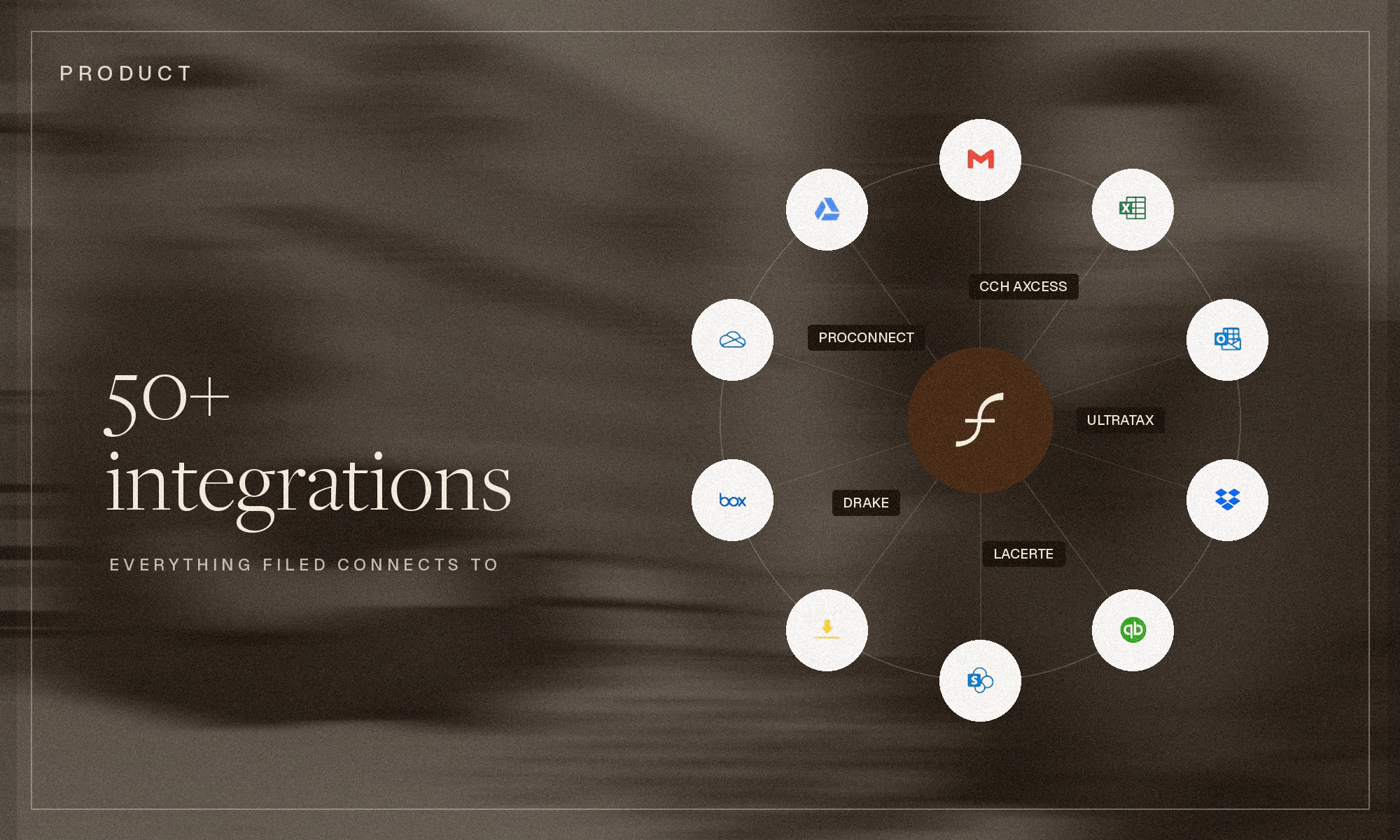
- Check the software question. Filed Reviewer works with output from CCH Axcess, UltraTax, Lacerte, Drake, and ProConnect, with no integration work. Anything that requires a migration before you see value is a different kind of bet.
- Check the data terms. SOC 2 Type II at minimum, and an explicit answer on whether your clients' data trains shared models. Filed's does not.
Frequently asked questions
Does review software replace the human reviewer?
No, and be wary of anything marketed that way. It replaces the discovery portion of review, the finding of discrepancies. Judging them, and signing the return, stays with your people.
Can it review business returns?
Filed covers 1040, 1065 with K-1s, 1120, 1120-S, 1041, and 990. Entity returns are where document-level review pays off most, because the binders are bigger and the cross-references are worse.
How fast can a firm start?
Reviewer needs no integration, so firms typically run their first reviews within a day of getting access.
The short version
If it does not read the source documents, it is not review software. If it does, make it prove the citations on one of your own returns. Filed Reviewer will do that on a live demo, and every engagement carries a 60-day money-back guarantee. Related reading: how to automate tax workpapers with AI.
Subscribe to our newsletter
Explore our latest insights
Discover valuable articles to enhance your knowledge.