Share this post
Why trust, not accuracy, is the real product in AI for tax professionals
We sell AI to tax professionals. And the better a tax pro is, the more their entire career is built on one habit: never trust a number you haven't checked yourself.
Then we walk in and ask them to let our AI take the first pass.
You can see the problem. We're asking the person whose whole job is to not trust things to trust something. That tension, more than any technical hurdle, is the thing we're building around at Filed.
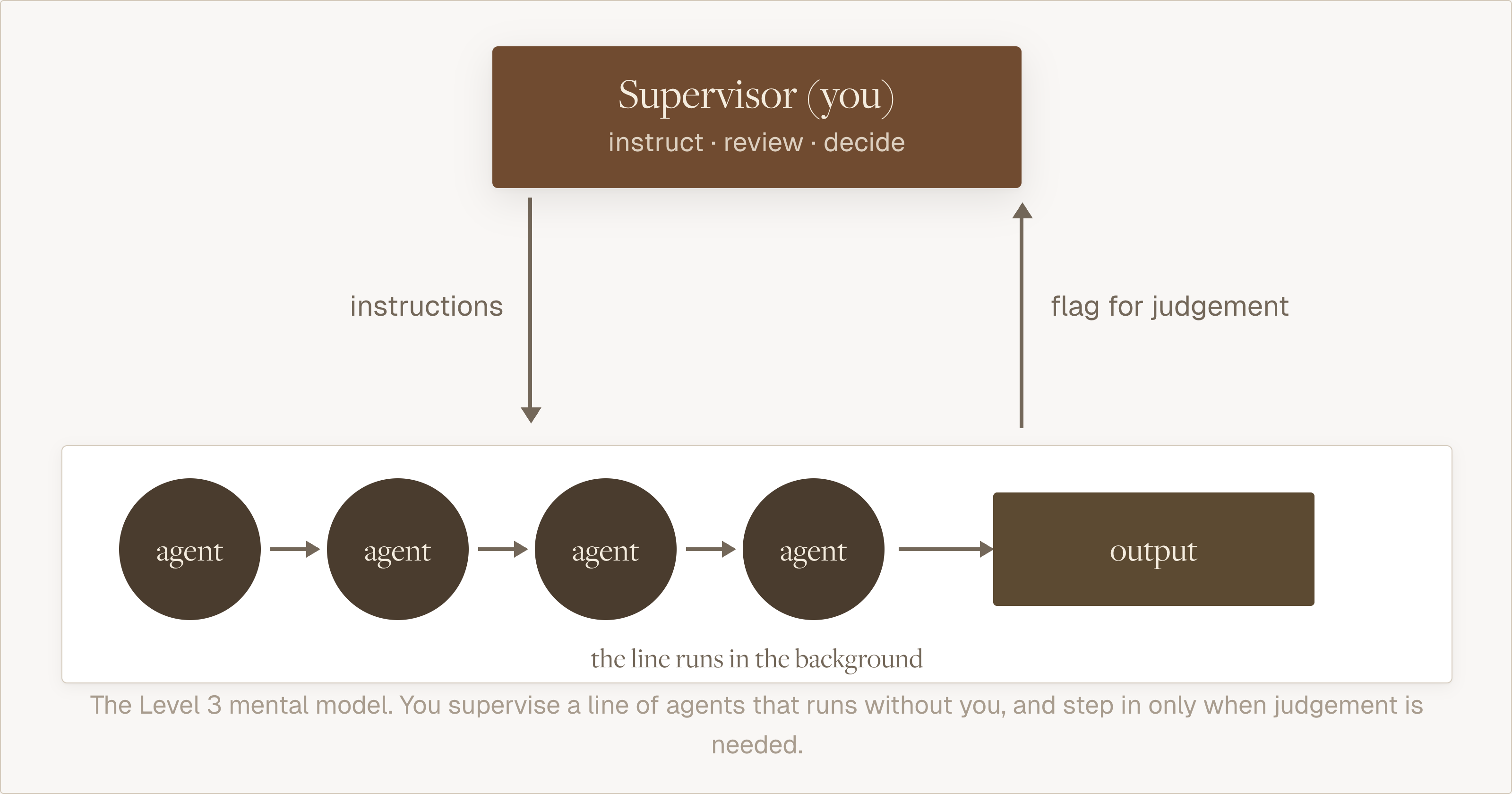
Atul wrote a great piece this week on the shift this sits inside: Designing products for the agent era. The short version is that software is moving from a tool you operate to a system you supervise.
Read his for the how. I want to add the half I spend most of my time on: what happens to the customer once you ship it.
Why accuracy alone doesn't win over a skeptic
It's tempting to think you win a skeptic over by proving the AI is good. Show the accuracy, win the argument, move on. But that treats the customer as a judge you have to convince, and these customers don't want to be convinced. They want to check. The AI was never really the product. The trust is, and the model is just how you earn it.
One of our customers put it better than we could. She'd been deeply anti-AI before Filed, and she told us it changed her mind, not because it was impressive, but because she'd learned from it. She could see what it was entering and where it pulled each number from. She watched it work, checked it, and the checks kept coming back clean. What moved her wasn't a claim we made. It was evidence she gathered herself, until she no longer needed to.
How trust gets built: show the source, every time
That's why the confident, finished answer is the wrong instinct. "Done, here's your return" is how you lose the room. A confident wrong answer costs more than ten right ones earn, because the whole relationship rests on the customer believing the system knows what it's sure of and what it's guessing. So we do the unglamorous thing: every time our AI surfaces something, it points at the source. Here's the number, here's the document, here's the page. They're handed everything they need to check us in five seconds, and over a few weeks they check less, because the receipts hold up.
The off-ramp matters as much as the automation
The other half is the off-ramp. People only hand off a task when they're sure they can take it back. The ability to drop down and do the work by hand, any time, with no penalty, isn't a safety feature we added at the end. It's the reason anyone delegates at all. The surest way to get someone to use the automation is to make it trivially easy to stop.
The AI is the part everyone sees in the demo. The trust is the part that makes it worth anything.
- Leroy
Subscribe to our newsletter
Explore our latest insights
Discover valuable articles to enhance your knowledge.